A recent Idaho Statesman article has a new series out about why so many Californians love Boise are moving to Idaho and what changes they are bringing. I was interviewed and featured in that piece as a Boise-based relocation and real estate agent, sharing what I’m seeing firsthand with buyers making the move (and as someone who has made the move from out of state).
The short version? The numbers tell one story — but daily life on the ground tells another.
Idaho’s growth isn’t slowing — it’s shifting
Over the past ten years, Idaho has made headlines due to the enormous growth it experienced from neighboring states, especially the Western part of the US. While migration patterns naturally ebb and flow, Boise remains a strong draw for people looking for:
A lower overall cost of living compared to major metro areas
Access to the outdoors without sacrificing city amenities
A strong sense of community
Shorter commutes and a slower pace of life
What I see as a relocation specialist is that many buyers aren’t just chasing affordability, but they’re looking for quality of life and long-term stability, and Boise continues to deliver on that.
What relocation really looks like (beyond the headlines)
Data is important, but it doesn’t always capture the full picture. Weekly, I work with clients relocating to Boise from California, Washington, Oregon, Texas, and beyond. Many of them are:
Families looking for more space and better schools
Remote workers who no longer need to live in high-cost cities
Retirees wanting four seasons and access to a slower pace of life.
First-time Idaho buyers relocating for work or lifestyle changes.
One thing most have in common? They want local insight, not just listings.
Neighborhood fit, commute patterns, micro-markets, and long-term resale potential matter far more than what shows up in national headlines.
What this means for Boise homebuyers today
If you’re considering a move to Boise, here’s what’s important to know right now:
Inventory is still competitive, especially in desirable neighborhoods
Pricing has stabilized compared to the frenzy of previous years
Well-priced homes in good locations still move quickly
Relocation buyers benefit hugely from understanding neighborhood nuances
Boise is not one single market. There are communities that all behave differently, such as: the North End, Boise Bench, Southeast Boise, Meridian, Eagle, and Garden City, and don’t forget Canyon County with Nampa, Middleton, Caldwell. That’s where working with a local agent who understands relocation patterns makes a real difference.
What this means for Boise homeowners and sellers
For sellers, continued relocation interest is good news. Even as the market normalizes, Boise remains on the radar for out-of-state buyers. Homes that are priced strategically and marketed correctly, especially with relocation buyers in mind, are still attracting strong interest. This is particularly true for homes that offer:
Functional layouts
Outdoor space
Proximity to parks, trails, and schools
Turn-key condition or clear upgrade potential
Why local perspective matters more than ever
Articles like the one published by the Idaho Statesman are valuable because they start conversations about growth, change, and what’s next for Idaho.
My role — and the role I take seriously — is helping buyers and sellers translate those big-picture trends into smart real-estate decisions.
Need Relocation Guidance? I’m Here to Help.
Whether you’re moving to Boise, Meridian, Eagle, Nampa, Star, or Caldwell, I specialize in relocation to Idaho and can break down costs by neighborhood, school district, or commute pattern.
I’ve helped numerous families and individuals move to the Treasure Valley, and I’d love to guide you, too.
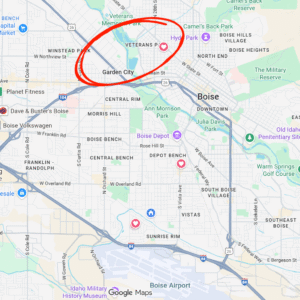
Garden City is Boise’s creative, riverfront community just minutes to Downtown Boise.
Nestled along the scenic banks of the Boise River and just minutes from downtown Boise, Garden City, Idaho offers a way of life that’s vibrant, creative, and deeply connected to the outdoors. Though small in size, as it covers only a few square miles, this eclectic little pocket delivers a surprising mix of recreation, culture, and community that makes it one of the most interesting places to live in the Boise area.
A Blend of Nature and Urban Convenience
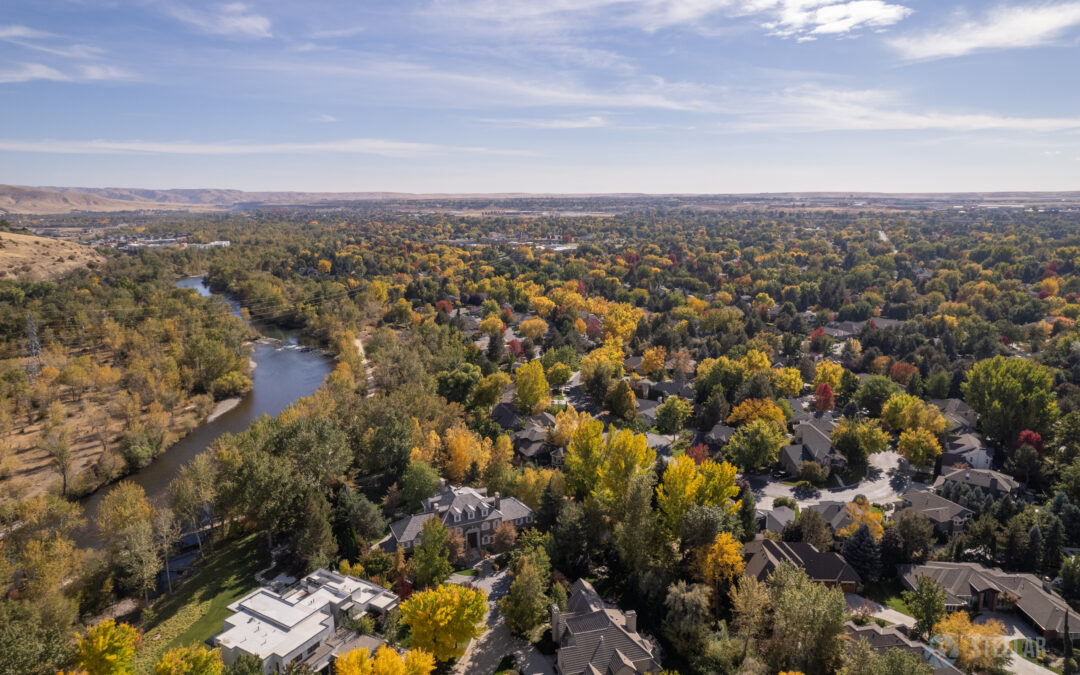
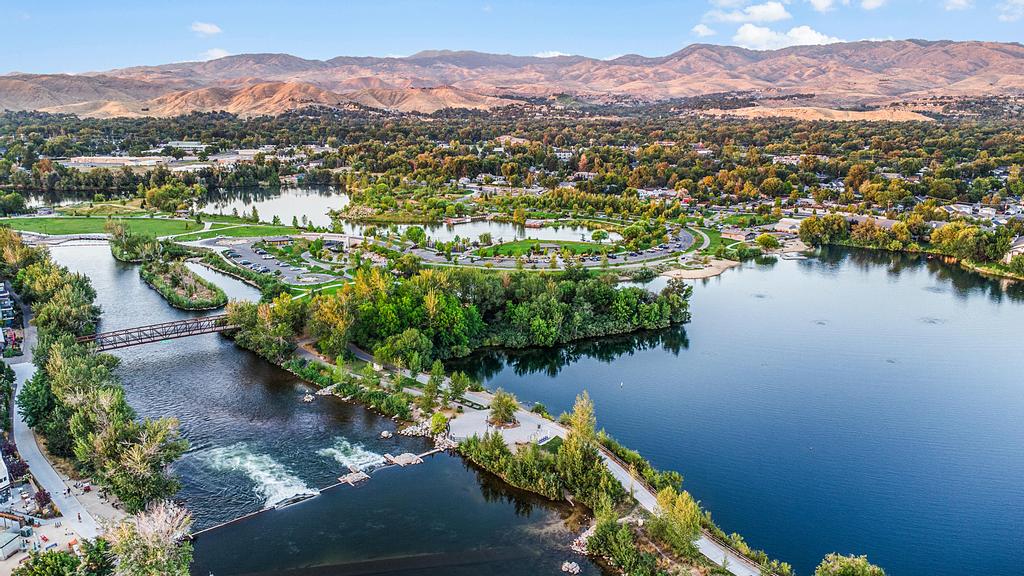
One of the biggest draws of Garden City is its close relationship with nature. The Boise River runs directly through the city, and the Boise River Greenbelt provides miles of paved pathways for walking, biking, and jogging. Residents enjoy easy access to river floats in the summer, peaceful morning walks, and scenic bike commutes that connect directly to downtown Boise.
Nearby parks like Esther Simplot Park and Heron Park add to the appeal with open space, ponds, picnic areas, and wildlife viewing. Whether you’re fishing, paddleboarding, wave surfing or simply enjoying the view, outdoor recreation is woven into daily life in Garden City.
Culture, Creativity, and Community
Garden City has developed a reputation as one of the most creative corners of the Treasure Valley. The Live-Work-Create District has helped shape the city’s identity by blending residential spaces with artist studios, galleries, small businesses, and gathering spots. This approach has attracted artists, entrepreneurs, and makers who want to live and work in the same community.
Public art, murals, and locally owned shops are common throughout the city, and regular community events help foster a strong sense of connection. Garden City feels distinct from Boise proper, offering a more eclectic and experimental atmosphere while still benefiting from its proximity to the amenities that Downtown Boise has to offer.
Food, Drink, and Local Flavor
Garden City has become a hub for craft beverages, with breweries, wineries, and cideries clustered along major corridors and near the river. Many residents enjoy being able to bike or walk between wine tasting rooms and relaxed dining, creating a laid-back, social environment.
Dining options lean toward local and independent rather than large chains, reinforcing the city’s small-town, community-focused character. Coffee shops, casual restaurants, and food trucks round out a scene that feels approachable and unpretentious.
Housing and Neighborhood Character
Housing in Garden City reflects its ongoing evolution. Longtime residential neighborhoods sit alongside newer townhomes, riverfront condos, and mixed-use developments. While prices have risen as interest in the area has grown, Garden City is often viewed as more attainable than some nearby Boise neighborhoods.
The city’s layout includes both walkable areas near the river and more industrial sections that are still in transition. This mix of old and new gives Garden City a layered feel, where historic roots and modern growth coexist. The median price in Garden City is:
Everyday Life in Garden City
Like many fast-changing communities, Garden City faces growing pains. Development and rising costs have sparked conversations about affordability, density, and preserving the city’s character. Residents hold a wide range of perspectives, but these discussions reflect an engaged population invested in the future of their city.
From a practical standpoint, Garden City offers convenient access to major roads, employment centers, and services throughout the Treasure Valley. The city is served by multiple school districts and benefits from its central location between downtown Boise and western suburbs.
Why People Choose Garden City
Living in Garden City means enjoying riverfront mornings, creative energy, and a strong sense of place. It’s a city where outdoor recreation, art, and local businesses are part of everyday life—not just weekend activities.
For those looking for a community that blends natural beauty with urban access and a creative spirit, Garden City stands out as one of the most unique places to call home in the Boise area.
The Pros
Close to Boise without the Boise price tag Garden City offers easy access to downtown Boise, the North End, and the foothills, often at slightly more approachable price points than some of Boise’s core neighborhoods. For buyers relocating to the Boise area, this location is a big win.
Access to the Boise River and outdoor lifestyle The Greenbelt, river access, paddleboarding, biking, and walking paths are all right here. If an active lifestyle matters to you, Garden City delivers in a big way.
Creative, local vibe Garden City has its own personality. Breweries, wineries, local shops, art spaces, and small events give it a fun, slightly eclectic feel that attracts creatives and young professionals.
Walkable and bike-friendly Many pockets of Garden City are easy to navigate on foot or bike. Being close to coffee shops, tasting rooms, and the river makes daily life feel connected and convenient.
Strong growth and investment potential With ongoing redevelopment and proximity to downtown, Garden City continues to attract buyers, investors, and builders. Long-term appreciation and rental demand are strong considerations here.
Are there Cons to Garden City, Idaho?
Yeah, as with any neighborhood/community there are things that should be taken into consideration before making it home. Here are a few that you should look out for if looking seriously at Garden City:
Flood zone considerations Some areas are close to the Boise River and fall within flood zones. This can mean higher insurance costs and more diligence during inspections. It’s manageable, but important to understand before buying. With that said, our team has bought and sold (and lives) in Garden City and I’ve yet to run into a flood zone issue, but it does exist and something to look out for, especially properties with close proximity to the Boise River.
Less dining and nightlife scene Garden City has great local spots, but the selection is more boutique than expansive. For a wider variety of restaurants, shopping, and nightlife, most residents still head into downtown Boise. However, with that said, a quick trip along the Greenbelt and you have access to Eagle, Downtown Boise and great dining spots all throughout the Valley.
Smaller lots and denser neighborhoods Compared with Eagle, Meridian, or Star, lot sizes here are often smaller and housing feels more compact. Great for low-maintenance living, less ideal for buyers wanting large yards or wide-open space. Think of Garden City as a great place to call home, enjoy the outdoors and the city amenities without the hassles that can come with larger properties.
Rising prices as popularity grows As Garden City becomes more desirable, prices have increased. It’s still a strong value relative to location, but first-time buyers may feel the competition.
Who is Garden City a Good Fit For?
Garden City tends to be a great fit for buyers who want to be close to downtown Boise, enjoy an active outdoor lifestyle, appreciate local culture, and are comfortable trading yard space for location and convenience.
If you’re relocating to the Boise area or exploring neighborhoods that balance lifestyle and value, Garden City is absolutely worth a closer look.
Need Relocation Guidance? I’m Here to Help.
Whether you’re moving to Boise, Meridian, Eagle, Nampa, Star, or Caldwell, I specialize in relocation to Idaho and can break down costs by neighborhood, school district, or commute pattern.
I’ve helped numerous families and individuals move to the Treasure Valley, and I’d love to guide you, too.
A curated look at the unicorns, the standouts, and the unforgettable listings across Boise, Meridian, Eagle, Star, Kuna, Nampa, Middleton, and Caldwell
Every city has its showpiece properties, but the Treasure Valley has a very specific kind of unicorn. It is the home you cannot recreate. The one buyers remember after seeing a dozen others in a day. The one with a feature that makes even longtime Idahoans say, Now that is different.
Whether you are relocating to Boise or already living here and want something with character, space, style, or land, this guide highlights the most unique homes currently on the market, both over and under one million dollars.
These are the homes that stand out for acreage, barns, shops, five-car garages, breathtaking views, dramatic interiors, guest suites, ADUs, and intentional design elements.
Let’s start with the heavy hitters.
The Unicorns Over One Million
These properties represent the rarest and most remarkable listings across the Treasure Valley.
Eagle
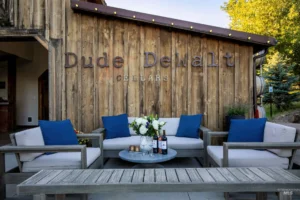
5446 N Highway 16 9,100,000 It is not every day that a full winery estate and event venue hits the market. Dude DeWalt Cellars is one of the most unique properties in Idaho and is in a category all its own. Views, vineyards, event space, a striking main residence, and the type of opportunity that does not come around more than once in a decade.
Boise North
146 W Skylark Drive 5,479,000 Looking for a view like no other? Well, this is foothills luxury at its finest. Sweeping views, dramatic window walls, and an architectural style that reads like a private resort. Homes in north Boise with this level of finish and scale are exceptionally rare, and this one is easily one of the strongest unicorns in the entire dataset.
Star
22002 Trigger Ranch Lane 2,999,900 This Star property belongs in its own category. A private pond, acreage, sunrise views, and custom finishes that make it stand out even among the area’s high-end homes. If someone wants space and an Idaho lifestyle in a luxury package, this is the one they talk about.
Nampa
5601 E Victory Road 3,715,000 A nearly twelve-acre opportunity on a corner lot with multiple access points. This is acreage potential at its finest. The kind of property that works as a small farm, private residence, land investment, or future development piece. There are two homes on the property, an enormous garage and so much OPPORTUNITY here.
Middleton
9819 Foothill Road 2,500,000 An equestrian estate with land, facilities, and a luxury residence all in one. Middleton does acreage well, but this is one of the best representations of rural Idaho living paired with high end construction.
Unicorn Homes Under One Million
These are the most unique, high-value properties under a million dollars with features that rarely appear at this price point.
Kuna
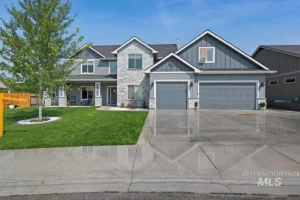
1726 N Calaveras Pl 649,000 A six bedroom, three and a half bath home with over three thousand square feet. This is one of the strongest multi-generational or large family layouts in the under one million category.
Caldwell
2401 Terrace Drive 629,000 Mid-century modern beauty that comes with views and it’s own private stream. A rare gem in a peaceful setting, sitting on over a half-acre lot.
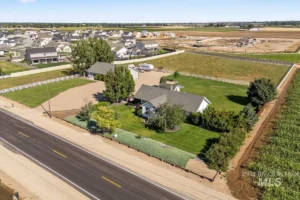
885,000 A renovated home in South Nampa with a huge shop and separate dwelling unit, perfect for multi-generational living or a rental. County living at it’s best, only a few minutes into town.
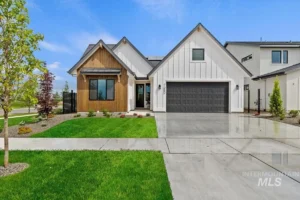
629,900 Looking for an energy-efficient home with full solar? This is one of the last brand new homes in Inspirado, built by Riverside Homes, that combines energy efficiency with luxury.
Final Thoughts
Unicorn homes are not just upgraded or large properties. They are the listings that offer something truly rare. Whether it is a five-car garage, a luxury, energy-efficient home, an equestrian setup, a private pond, a foothills view, or an ADU, these properties represent the most distinctive offerings across the Treasure Valley today.
If you are relocating to Boise or exploring the Treasure Valley for a home with something special, I would be happy to help you navigate the neighborhoods and find the one that matches your lifestyle, your plans, and how you want to live here.
Just reach out when you are ready to explore.
Need Relocation Guidance? I’m Here to Help.
Whether you’re moving to Boise, Meridian, Eagle, Nampa, Star, or Caldwell, I specialize in relocation to Idaho and can break down costs by neighborhood, school district, or commute pattern.
I’ve helped numerous families and individuals move to the Treasure Valley, and I’d love to guide you, too.
For anyone dreaming of more space, quieter living, and maybe even a few alpacas.
This small-town gem sits just west of Star and Eagle and has quickly become a favorite for those relocating to the Treasure Valley who want more land without the Eagle price tag. Middleton has grown, but it hasn’t lost its calm, country feel, and that’s what makes it so appealing. It is one of the few places in the valley where you can still find a home with room to breathe. Bigger lots, shops, pastures, animals, and open views are part of everyday life here. If you have ever wanted space for chickens, a garden, a workshop, or even alpacas, Middleton is the type of place where that lifestyle is possible.
The median home price in Middleton is about $530,000 for a single-family home or a single-family home with acreage. Homes tend to move quickly, with the average days on market around twenty-seven.
Here is a clear look at the pros, the challenges, and what to watch for if you are considering a move to Middleton or searching for acreage.
The Pros
Middleton gives you more room than most places in the Treasure Valley. Large half-acre, one-acre, two-acre, or five-acre properties are common. The town still has a strong country feel, and it is not unusual to see horses, goats, or alpacas on your morning drive. If you are looking for freedom and flexibility with your property, this is where you find it.
Although it feels rural, Middleton is close to everything you need. Star and Caldwell are about ten to fifteen minutes away, Meridian is twenty to twenty-five, and Boise is roughly thirty-five to forty minutes, depending on the time of day. You get the space and quiet of the country with reasonable access to shopping, healthcare, and entertainment.
Acreage is also more affordable in Middleton compared to Eagle or some parts of Star. If you want land without paying luxury prices, this is an excellent place to start looking.
There is also a strong sense of community. Middleton schools are known for their smaller class sizes, active sports programs, and that familiar small-town atmosphere. Neighbors tend to know each other, and community events are common.
Builders in Middleton
Middleton offers a mix of subdivision builders and smaller local builders who understand rural living. CBH Homes, Hubble Homes, and Hayden Homes all build in and around Middleton and tend to focus on more traditional subdivision-style homes. Many custom and semi-custom builders specialize in larger lots, shops, barns, RV bays, and acreage properties. Some of our favorites are Maddyn Homes, Mendiola, and homes in Hawk View Estates. If you are looking for a home that supports animals or hobbies, many of the local builders have the experience to design those features correctly. Homes on the market in Middleton range from $315,000 to $2,500,000. Check out all the homes and lots for sale in Middleton, Idaho, today.
Rural living means driving. If you work in Meridian, Eagle, or Boise, your commute will be longer and you will be in the car more often. Middleton is best suited for people who work from home, have flexible schedules, or do not mind a little extra drive time.
Shopping and dining are limited within Middleton itself. Most residents drive to Star, Caldwell, Nampa, or Meridian for restaurants, larger stores, or weekend outings. If you want walkability, Middleton is not the place for it.
You will also need to be comfortable with the realities of country living. Most acreage properties use a well and septic system. You may also be responsible for irrigation, weed control, pasture management, and maintaining a larger outdoor space. Dust, wildlife, and the occasional farm smell are part of life here.
What to Look For When Buying in Middleton
If you are searching for land, water rights, and irrigation are very important. You should know which irrigation district the property is in, how water is delivered, and whether the rights transfer with the sale. This can impact the quality and cost of maintaining acreage.
You will also want to understand the property’s well and septic systems. Ask about the well depth, flow, water quality, and the age and size of the septic system. These systems should always be inspected by professionals before closing.
Some properties in Middleton are in neighborhoods with CC&Rs guidelines, while others have no restrictions at all. Decide early whether you want complete property freedom or a little structure. It makes a big difference when choosing a home.
Middleton also has private roads and shared driveways in many areas. Always confirm who maintains the road, how often, and what the cost is.
If you are looking at homes with shops, barns, or outbuildings, make sure they have proper permits and electrical work and meet setback requirements. Not all outbuildings are created equal, and repairs can be expensive.
Finally, be aware of flood zones, soil drainage, and proximity to irrigation canals. These factors can affect insurance, maintenance, and long-term use of the land.
Who is Middleton right for
Middleton is ideal for buyers who want more space, privacy, and the freedom to live a rural lifestyle. It works well for families, remote workers, hobby farmers, people who want to own animals, or anyone who wants to be close to Boise without living in the city.
Who It May Not Fit
If you need walkability, immediate restaurant access, or very short commutes, Middleton will likely feel too spread out. It also may not fit buyers who do not want to manage wells, septic, or larger outdoor spaces.
Thinking About Middleton
If you are considering Middleton for its space, acreage opportunities, quiet living, or future homestead potential, I can help you decide which neighborhoods and areas fit your goals. Understanding irrigation, wells, and septic, soil conditions, local builders, and the differences between Middleton, Star, Caldwell, and Emmett is essential when buying this type of property, and I guide clients through each step.
When you are ready to explore Middleton or want help narrowing down the right area, I would love to help you get started.
Need Relocation Guidance? I’m Here to Help.
Whether you’re moving to Boise, Meridian, Eagle, Nampa, Star, or Caldwell, I specialize in relocation to Idaho and can break down costs by neighborhood, school district, or commute pattern.
I’ve helped numerous families and individuals move to the Treasure Valley, and I’d love to guide you, too.
If you are thinking about moving to Boise, understanding the true cost of living is one of the most important parts of planning your move.
Housing, utilities, rent, transportation, and everyday expenses can vary depending on where you live in the Treasure Valley. This guide gives you a practical look at what to expect in Boise and surrounding communities like Meridian, Eagle, Kuna, Star, and Nampa.
Housing Costs in Boise & the Treasure Valley (2025 Update)
Housing is typically the biggest part of your cost of living, and Boise’s market in 2025 is stable, competitive, and offering more choices thanks to increased inventory.
Median sales price (January 2026):$420,000, down 1.2% year-over-year.
Days on Market:66 days, up 6% from last year.
Inventory:958 homes, slightly more than last year, adding more buying opportunities.
New Construction Trends (2025)
New construction is giving relocating buyers even more to choose from:
Ada County new construction median price:$560,000
Canyon County new construction median price:$454,000
Both counties have seen inventory growth of 12% in Canyon and 36% in Ada Counties, making new-builds far more accessible than in previous years.
What This Means for You
Boise’s 2026 housing market offers: ✔ More inventory ✔ Stable prices ✔ Balanced competition ✔ Strong selection in West Boise, Southeast Boise, East Boise, South Meridian, and North Nampa
Rental inventory remains limited due to strong demand, but new apartments in Meridian, Boise Bench, and Nampa are helping meet the needs of relocating renters.
In outlying areas like Star, Middleton, Nampa, and parts of Caldwell, private wells and septic systems can reduce water/sewer expenses.
Child Care Costs in Boise (2026)
For families relocating to Boise, childcare remains one of the higher monthly expenses; however, most residents find it is still below the cost of care in states like California, Oregon, and Washington.
Boise’s fuel prices remain lower than the national average and far below the West Coast.
Early 2026 ranges:
Low: $2.99
High: $3.50
Couple that with average commute times of 20–30 minutes, and transportation costs stay significantly lower than in major metro areas.
Lifestyle & Recreation Costs in Boise
This is where Boise shines. Outdoor enthusiasts, foodies, cyclists, runners, and families get a tremendous lifestyle without the price tag of larger cities.
Low- or no-cost activities:
The Boise River Greenbelt
Cliffside hiking & biking trails
Bogus Basin skiing & tubing
Local parks, splash pads, playgrounds
Free downtown festivals
Treasure Valley hiking, fishing & camping
Compared to Washington, California, Oregon, and Colorado, Idaho offers noticeably lower day-to-day living expenses.
Is Moving to Boise Still Worth It in 2026?
Absolutely — especially if you’re relocating from higher-cost states. Boise continues to offer:
✔ Stable housing prices ✔ Growing inventory & new construction ✔ Shorter commutes ✔ A thriving job market ✔ Exceptional outdoor access ✔ A warm, community-centered lifestyle
And its cost of living remains significantly lower than that of major West Coast metros.
Need help understanding what Boise will actually cost for your move?
Online averages can be helpful, but your real cost of living depends on your housing goals, preferred neighborhoods, commute, lifestyle, and timing.
Jennifer helps relocating buyers compare Boise and Treasure Valley communities so they can plan their move with more clarity.
Jennifer Louis, Boise Area Real Estate Expert is a relocation specialist for Boise and the Treasure Valley. Helping hundreds succeed in finding their perfect home while simultaneously assisting homeowners to prepare and sell their homes.

 A Blend of Nature and Urban Convenience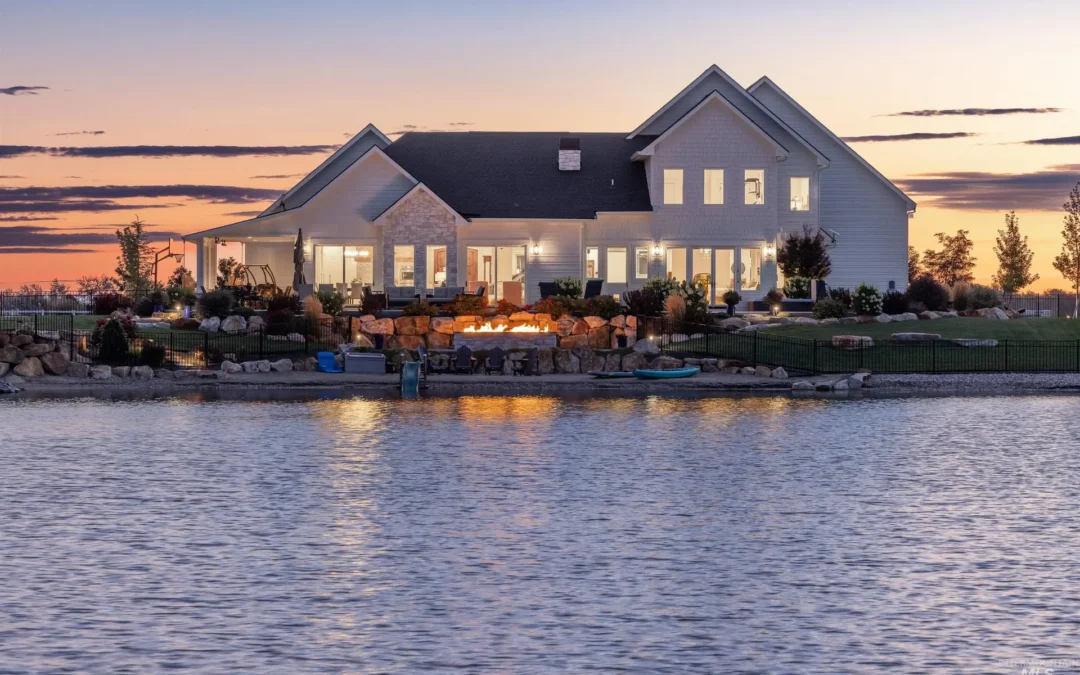
 Eagle
Eagle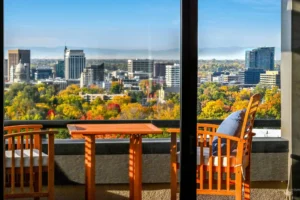 Boise North
 Star
Star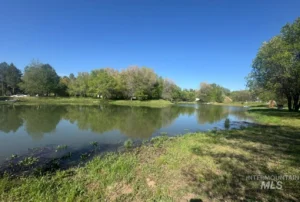 Nampa
Nampa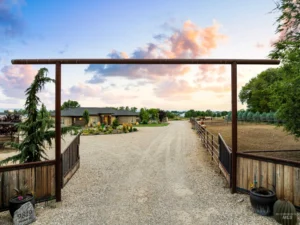 Middleton
 Kuna
Kuna Caldwell
 Nampa South
 Meridian NW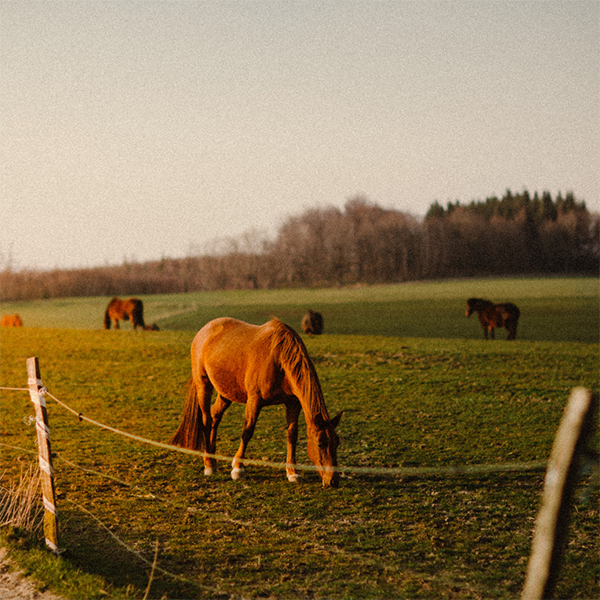
 Jennifer Louis, Boise Area Real Estate Expert is a relocation specialist for Boise and the Treasure Valley. Helping hundreds succeed in finding their perfect home while simultaneously assisting homeowners to prepare and sell their homes.