Real Estate in Boise, Meridian, Nampa
& All of the Treasure Valley

Jennifer Louis
Residential Real Estate Expert
Welcome To Boise and Beyond Real Estate

Give us a call,
We’ll show you around!

The Smart Way to Buy a Home in Boise in 2026

The Smart Way to Buy a Home in Boise in 2026

Work with a local Realtor who truly understands the Treasure Valley

When buying in an area you are not familiar with, having a knowledgeable local real estate agent can make a huge difference. A good Boise area Realtor should understand not only neighborhoods and home values, but also builder reputation, Idaho real estate laws, zoning, CC&Rs, resale potential, future development, and how different parts of the Treasure Valley actually function day to day.

One thing I see relocation buyers misunderstand all the time is how differently Boise area neighborhoods feel in person versus online. Two homes may look similar on paper, but commute patterns, lot sizes, HOA restrictions, traffic flow, school boundaries, future development, and even builder quality can create very different long-term experiences and resale value.

This becomes even more important for out-of-town buyers trying to navigate the process remotely. A good Realtor should help you avoid pitfalls, negotiate strategically, and guide you through the transaction from start to finish, even if you are buying from another state.

If you’re considering buying in Boise or the surrounding areas, you can learn more about me here:  Jennifer Louis, Boise Realtor and Relocation Specialist

Look for homes with “scary seller” repairs

Not every buyer wants a major remodel project, and honestly, many buyers today want something clean, functional, and relatively move-in ready, but some of the best opportunities can come from homes with issues that feel overwhelming to sellers, yet are often much easier to tackle than buyers realize.

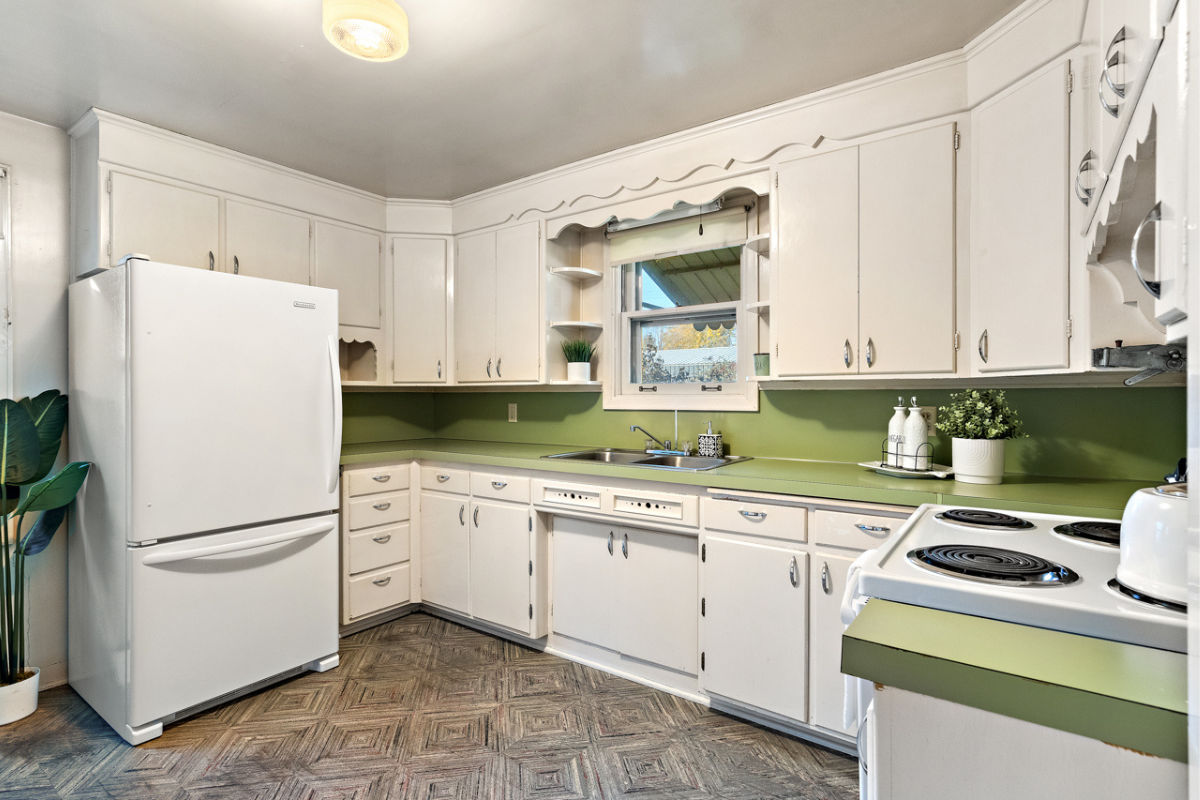
Things like an aging roof, older HVAC systems, worn carpet, or dated paint can create negotiating leverage because many sellers either do not have the money or simply do not want the hassle of addressing those items before listing the home.  Negotiating the price of the home based on these items (if not already priced accordingly and disclosed) can really save a buyer tens of thousands of dollars on a purchase.  Sellers are often willing to drop the price more than what the repair or update would cost, just to not have the headache of dealing with it or forking out the money for the repair up front.

Personally, I would worry far more about poor layout, bad location, drainage problems, or major water damage than cosmetic or mechanical items that can eventually be replaced over time.

Pay attention to homes sitting on the market longer

In today’s market, days on market matter more than they did a few years ago. Once a home has been sitting for a couple of weeks, buyers may gain significantly more negotiating power.

This is often where opportunities come up for:

  • seller-paid closing costs
  • interest rate buydowns
  • repair credits
  • price reductions

There are still well-priced homes in Boise that move quickly, but sellers are generally much more flexible today than during the peak frenzy years.

Negotiate aggressively with new construction

Many Treasure Valley builders are offering incentives right now, especially on completed inventory homes.

A lot of buyers focus only on negotiating the purchase price, but there can often be additional value in:

  • fencing
  • landscaping
  • appliances
  • window coverings
  • garage door openers
  • closing costs
  • interest rate buydowns

Those concessions can add up quickly and save buyers a significant amount of money upfront.

Shop lenders carefully and research Idaho loan programs

A lot of buyers spend weeks researching homes, but very little time researching financing.

Lender fees, loan structures, and rate buydown programs can vary quite a bit. It is worth researching Idaho Housing programs, first-time buyer options, lender credits, and different loan products available in Idaho. The right lender and loan structure can make a major difference in both monthly payment and long-term flexibility.

Prioritize lot size and long-term flexibility

Personally, I would rather buy a slightly smaller home with a larger usable lot than the biggest house possible squeezed onto a tiny lot.

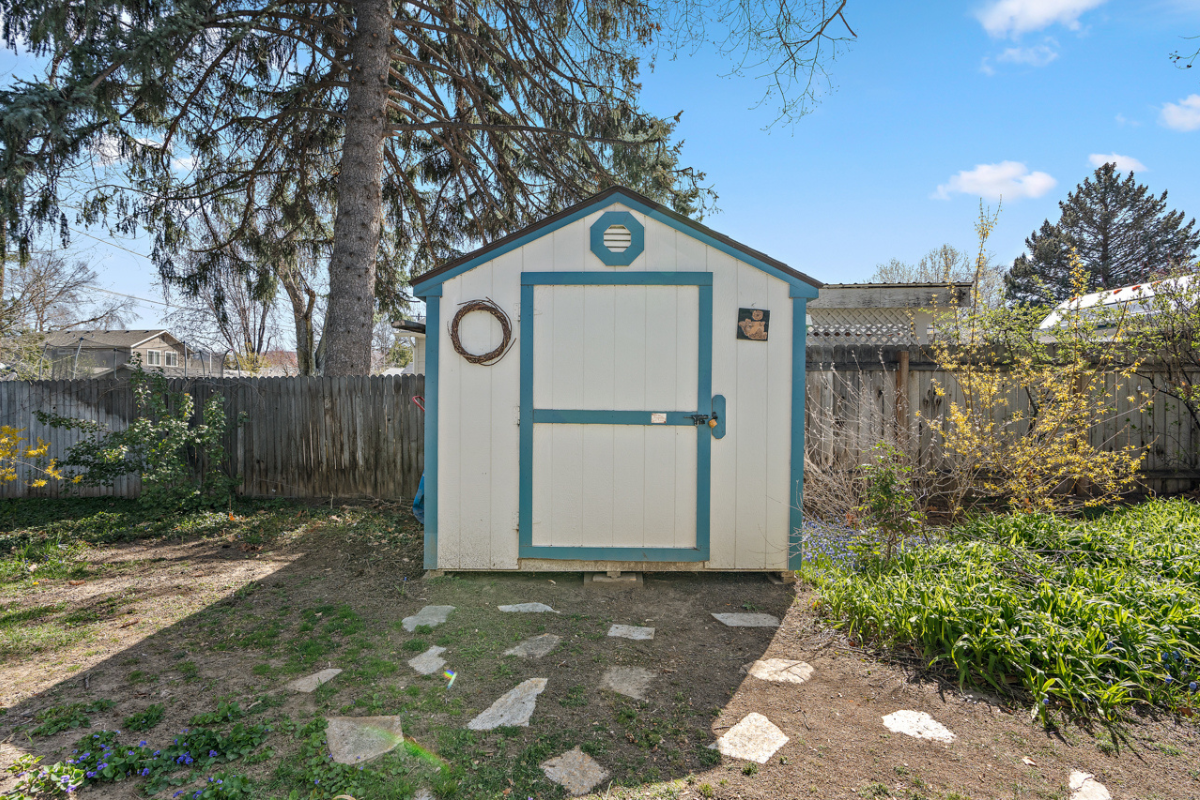
As Boise continues to grow, usable land may become increasingly valuable for additions, RV parking, shops, gardens, or even future ADU potential, depending on zoning and lot configuration.  In Ada and Canyon counties, adding on to a home or building an ADU can be a relatively straightforward process and are often encouraged by the State.

Outdoor usability also matters more here than many relocation buyers initially realize. In much of the Treasure Valley, people genuinely use their outdoor spaces. Backyard layout, shade, privacy, irrigation, and proximity to trails or parks can have a big impact on both lifestyle and future resale value.

Keep an open mind about location and commute

One thing many relocation buyers are surprised by is that commute times around much of the Treasure Valley are still relatively manageable compared to larger metro areas.

Sometimes, looking slightly outside your ideal target area can stretch your budget significantly while still keeping you within a reasonable drive to work, schools, or downtown Boise.

Areas farther from the city core may offer:

  • larger lots
  • newer homes
  • better value
  • more inventory
  • and more flexibility overall

Final Thoughts

Buying smart in Boise in 2026 is less about perfectly timing the market and more about buying strategically.

The buyers who tend to do best long term are usually the ones who:

  • Focus on location
  • negotiate carefully
  • understand long-term value
  • stay flexible
  • and avoid getting distracted by cosmetic finishes alone

There are still very good opportunities in the Treasure Valley for buyers who approach the process thoughtfully and understand how to navigate today’s market.


If you’re planning a move to Boise and want a clear, honest breakdown of the area, neighborhoods, and current market, I offer free relocation consultations designed to give you exactly that.

For expert guidance on moving to Boise, contact Jennifer Louis, a Boise real estate and relocation expert.  Click to Schedule Your Consultation

In the meantime, make sure to follow me,  Jennifer Louis, Boise Metro Real Estate Expert, and local relocation guide on Instagram, Facebook, my Facebook Moving to Idaho Groups, or my blog for fun facts about Boise and, of course, a few things real estate.  (208) 509-9122 or [email protected].

Micron’s Impact on Boise Real Estate

Micron’s Impact on Boise Real Estate

Micron is Reshaping Boise Real Estate, What Investors and Relocating Buyers Need to Know

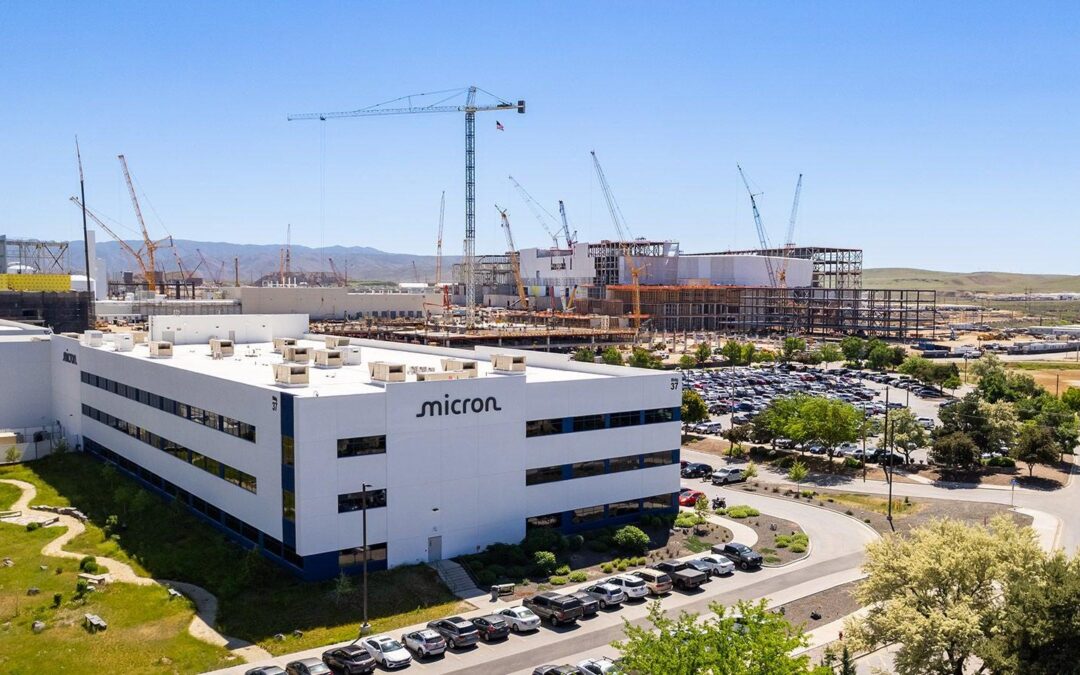
As a Boise and Treasure Valley relocation specialist, I’m starting to see a clear shift. The calls are coming in from buyers and renters moving here for the first phase of Micron Technology’s expansion. The design of phase one is complete, and now construction is officially underway. So what does that actually mean for our market?

At peak construction, we’re expecting around 4,000 workers on site. Many of them are actively looking for housing right now, whether that’s short term rentals, mid term furnished options, or long term leases while they settle in. Looking ahead, this is much bigger than just construction. Over the next decade, Micron’s expansion is projected to bring more than 17,000 direct jobs, plus an estimated 60,000 additional indirect jobs across the region. That kind of growth puts real pressure on housing.

According to Micron’s website, they have already achieved key construction milestones and have chip output production scheduled to start in early 2027.  That’s when we’ll start to see more long term employees planting roots here and transitioning from renting to buying. Construction is expected to continue over the next 10 to 15 years, creating steady, ongoing demand rather than a short spike.

Here’s where I expect to see the most interest:
• The Boise Bench, for its close proximity to Micron and relative affordability
• Southeast Boise, for its access to the freeway, Greenbelt, and established neighborhoods
• South Boise, especially newer communities with room to grow
• Meridian, particularly near the freeway for commuters wanting newer homes and amenities

What I’m seeing already:
• Increased demand for short term and furnished rentals
• More relocation buyers exploring Boise before making a move
• Growing interest in investment properties, especially flexible rentals
• Pressure on inventory in key areas near major employment hubs

For investors, this creates a real opportunity. Properties that can serve both short term and long term rental needs are especially valuable right now. For relocation buyers, getting in early and understanding these key areas can make a big difference. If you’re thinking about investing, relocating, or just want to understand how this impacts your home’s value, I’m happy to help you build a smart plan.


If you’re planning a move to Boise and want a clear, honest breakdown of the area, neighborhoods, and current market, I offer free relocation consultations designed to give you exactly that.

For expert guidance on moving to Boise, contact Jennifer Louis, a Boise real estate and relocation expert.  Click to Schedule Your Consultation

In the meantime, make sure to follow me,  Jennifer Louis, Boise Metro Real Estate Expert, and local relocation guide on Instagram, Facebook, my Facebook Moving to Idaho Groups, or my blog for fun facts about Boise and, of course, a few things real estate.  (208) 509-9122 or [email protected].

Visiting Boise Before You Move

Visiting Boise Before You Move

The Exact Steps I’d Take on My First Visit if I Was Considering a Move to Boise

If you’re thinking about relocating to Boise, your first visit matters more than you think. This is where you go from “just browsing” to actually understanding what life here feels like.

Here’s exactly how I would approach visiting Boise before moving.

The truth about Zillow in Idaho1. Start Online Before You Book the Trip

Before you even set foot in Boise, spend some time researching. Look at local blog posts, real estate websites like Zillowthis one, www.welcometoboiseandbeyond.com, and local guides on things to do, schools, and neighborhoods.

You want a general sense of:

This step helps you show up with direction instead of feeling overwhelmed.

2. Schedule a Relocation Consultation

This is where everything starts to click.

Before your trip, connect with a relocation specialist who knows the Boise market inside and out. During a consultation, you should walk away with:

  • A breakdown of Boise neighborhoods and surrounding areas
  • Realistic home prices by location
  • Commute times, including access to downtown and the airport
  • Insight into schools, lifestyle, and long-term value
  • Important sites in the area, e.g., hospitals, shopping, dining, etc.

This saves you hours of guessing and helps you focus your visit.

3. Plan a Targeted Area Tour

Once you arrive, don’t just wander. Have a plan.

I always recommend lining up a short, focused tour of the areas you’ve narrowed down. This is where you start to feel the difference between places like:

  • Boise Bench vs. Southeast Boise
  • Meridian vs. Eagle
  • Nampa and Caldwell for value and growth

Seeing them in person is what makes it real.

4. Tour Homes, Not Just Neighborhoods

Photos online only tell part of the story.

While you’re in town make sure to:

This gives you a true understanding of what your budget actually gets you in the Boise market.

5. Explore the Entire Treasure Valley

Even if you think you know where you want to live, take time to explore the full Treasure Valley.

Many buyers are surprised by where they end up once they:

  • Compare pricing across cities
  • Experience different community layouts
  • See how much value exists just outside Boise

This step alone can change your entire strategy.

6. Live Like a Local for a Few Days

This is one of the most important parts.

While you’re here:

This helps you understand not just where you’ll live, but how you’ll live.

7. Test Your Commute and Daily Routine

If commute matters to you, don’t guess, test it.

Time various drives:

  • From your top neighborhoods to future work sites
  • To the airport if you travel often
  • To schools, grocery stores, and daily stops

Try it at different times of day. Boise traffic is manageable, but patterns still matter depending on where you live.

8. Stay Connected While You’re in Town

Keep your relocation agent in the loop during your visit.

Ask questions as they come up. Share what you’re liking, what you’re not, and what’s surprising you. The more feedback you give, the more refined your search becomes.

9. Leave With Clarity

By the time you head home, your goal isn’t to have everything figured out perfectly. Your goal is clarity.

You should walk away knowing:

  • Your top 1 to 3 areas
  • Your realistic price range
  • What type of home fits your lifestyle
  • And of course, if Boise is the right place for you

From there, the process becomes much smoother and much more strategic.


If you’re planning a move to Boise and want a clear, honest breakdown of the area, neighborhoods, and current market, I offer free relocation consultations designed to give you exactly that.

For expert guidance on moving to Boise, contact Jennifer Louis, a Boise real estate and relocation expert.  Click to Schedule Your Consultation

In the meantime, make sure to follow me,  Jennifer Louis, Boise Metro Real Estate Expert, and local relocation guide on Instagram, Facebook, my Facebook Moving to Idaho Groups, or my blog for fun facts about Boise and, of course, a few things real estate.  (208) 509-9122 or [email protected].

Is Boise Affordable?

Is Boise Affordable?

A common question from buyers and relocators this year is straightforward: Is Boise affordable? The answer depends on where you’re coming from — and which part of the Treasure Valley you’re looking at.


Is Boise still affordable?

The answer depends on where you’re coming from and how you define affordability. Let’s take a look at home prices and compare them with major U.S. markets, especially those where we have a lot of people relocating out of and into Idaho.  We will also explore practical ways buyers are making Boise work for their budgets.

Boise & Treasure Valley Price Snapshot

Housing in the Boise area is not cheap, but it is more affordable than in many major metros.

  • Median home price in Boise is around $500,000.

  • Ada County (Boise, Meridian, Eagle, Kuna, Garden City) average values are about $535,000 as of January 2026.

    • Meridian sits near the $495,000 median range recently reported.

    • Eagle stands significantly higher with values near $776,000.

In contrast, on the value end of the valley:

  • Canyon County (including Nampa & Caldwell) averages closer to $420,000.

    • Nampa averages around $400,000–$430,000, depending on data source.

    • Caldwell is slightly lower, often near $410,000.

That means the price gap between Ada County and Canyon County can be roughly $80,000–$150,000 or more, giving first-time and budget-conscious buyers real options without moving out of the broader valley.

How Does Boise Compare to Other Markets?

Compared to several popular relocation destinations, Boise still offers relative affordability:

  • Southern California (Los Angeles, Orange County, San Diego) — $800,000 to well over $1 million median prices.

  • Northern California (Bay Area) — commonly over $1 million.

  • Seattle — often $800,000 and above.

  • Denver — typically above $550,000.

  • Austin — frequently upper $400,000s to $500,000s.

  • Phoenix — roughly mid-$500,000s or more.

Boise’s mid-$400k to low-$500k range typically costs less than housing in all of these markets, especially SoCal and the Bay Area, giving many relocating buyers more purchasing power.

Cost of Living Matters Too

Affordability isn’t just home prices; it’s everyday expenses. Boise’s overall cost of living, including groceries, utilities, taxes, and services, tends to be lower than most West Coast and Mountain region metros. For many buyers relocating from high-cost states, monthly expenses often decrease even with housing costs that feel high by local standards. Click here for an in-depth look at the cost of living in Boise for 2026.

Where You Can Find More Affordable Options

Even within the Treasure Valley, there are distinct tiers:

  • Canyon County (Nampa, Caldwell) — best entry prices and value for first-time buyers.

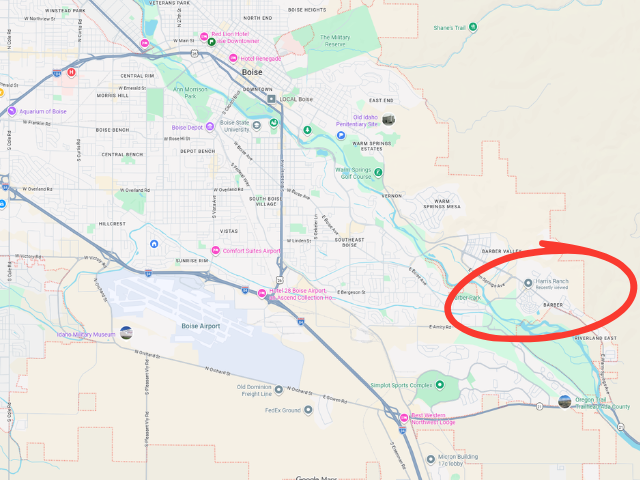
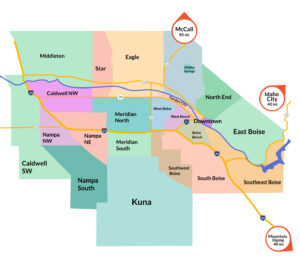
  • Boise & Meridian — balanced mix of amenities and value.  Certain neighborhoods within can make a difference as well.  Garden City, West Boise and the Bench all have homes for sale and rent on the lower side of the median value range.  Harris Ranch (SE Boise), North Boise and North Meridian can be more costly.

  • Eagle — premium pricing, especially in established neighborhoods.

Choosing where to buy can make a significant difference in what you can afford.

Creative Strategies to Make Boise More Affordable

Affordability today is about strategy as much as price.  Today, many of my clients and savvy neighbors are looking into other ways to make Boise more affordable.

  • Renting out a room — many buyers offset mortgage costs with rental income.
  • Adding an ADU (Additional Dwelling Unit), where zoning allows, an attached or detached space can create recurring income.

  • Converting a mother-in-law suite — a separate living space that improves livability and rental potential.

  • Multi-generational living — sharing costs while maintaining personal space.  I’ve had several clients convert homes into two living spaces and share the mortgage/monthly payment.

  • Expanding search radius — moving slightly outside the core Boise can lower entry cost significantly.

These approaches help buyers stretch their budgets while still accessing the Boise lifestyle and opportunities.


So, Is Boise Affordable?

Yes — compared to major U.S. markets like Southern California, the Bay Area, Seattle, Denver, and Phoenix, Boise remains more attainable. The valley’s price tiers also give buyers flexibility: entry options in Canyon County, more central balances in Ada County, and premium pockets like Eagle.

But compared to Boise’s own past, prices are higher than they used to be, so affordability is relative. The real question for most buyers should be:
“Does Boise offer better value for my money than where I live now?”

For many relocating buyers, the answer continues to be yes.

If you want to break down what this means for your budget and timeline, I’d love to help you plan it out. Let me know where you’re moving from and what your goals are, and we can go from there.


For expert guidance on moving to Boise, contact Jennifer Louis, a Boise real estate and relocation expert.  Click to Schedule Your Consultation

In the meantime, make sure to follow me,  Jennifer Louis, Boise Metro Real Estate Expert, and local relocation guide on Instagram, Facebook, or my blog for fun facts about Boise and, of course, a few things real estate.  (208) 509-9122 or [email protected].

Trends in Idaho New Construction

Trends in Idaho New Construction

New construction today goes far beyond “brand-new finishes.” Across Idaho, builders are leaning into lifestyle, efficiency, and long-term comfort, and buyers are paying close attention. The most successful communities aren’t just selling homes, they’re selling how it feels to live there.

From community gardens and walking paths to eco-friendly design and everyday comfort upgrades, here’s what’s standing out in new construction and what buyers should be watching for.

Community Features That Feel Like a Lifestyle Upgrade

One of the biggest shifts in new construction is the focus on community. Buyers are gravitating toward neighborhoods that feel intentional and connected, not just rows of homes.

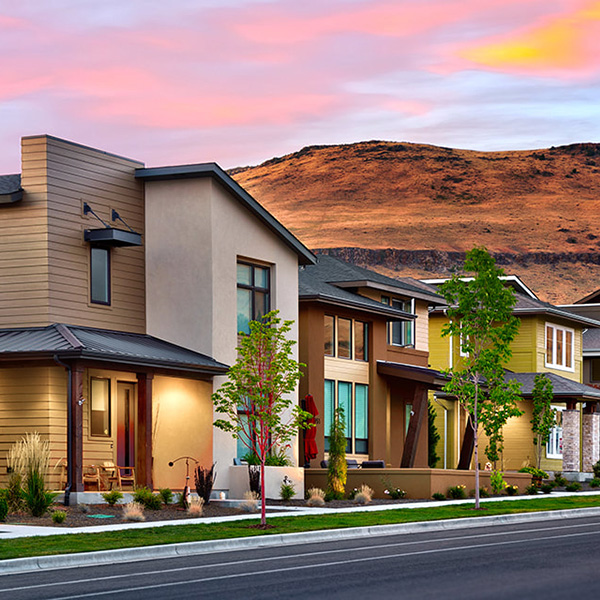
Features that consistently get attention include walking paths, open green space, gathering areas, playgrounds, ponds, and shared outdoor amenities. Community gardens are also showing up more often, especially in developments leaning into wellness and sustainability. These features create a sense of place and can add long-term appeal well beyond the initial move-in.  Some newer Boise communities even offer equestrian centers, coffee shops, a local farm, and dog parks.

The key difference is whether these amenities feel usable and maintained, or simply like a marketing bullet point. Buyers are paying attention.

Energy-Efficient and Eco-Friendly Homes

Energy efficiency has become one of the most important selling points in new construction. Buyers are increasingly focused on homes that are comfortable year-round and less expensive to operate.

Builders are highlighting improved insulation, better sealing, modern HVAC systems, energy-efficient windows, and smart design choices that reduce energy waste. These upgrades may not be flashy, but they often make a bigger difference in daily comfort and monthly costs than cosmetic finishes.

Some builders are also emphasizing healthier indoor environments through improved ventilation and air quality, which has become a priority for many buyers.

Everyday Luxury: Heated Floors and Quiet Comfort

Buyers aren’t just looking for high-end finishes; they’re looking for features that improve daily living. Heated floors in bathrooms, spa-style showers, better sound insulation, fiber internet connection, dedicated tech rooms, and solid construction details are becoming quiet differentiators between builders.

These comfort-focused upgrades tend to matter more long-term than trend-driven finishes. A home that feels warm, quiet, and well-built often wins over one with more dramatic design choices but weaker construction.  

Smart Home Features That Actually Get Used

Smart home technology is another area where buyers are becoming more selective. Features that genuinely improve comfort and efficiency are in demand, while unnecessary tech tends to be ignored.

Buyers value smart thermostats, zoned heating and cooling, security features like smart locks or video doorbells, and homes that are wired or ready for future technology such as electric vehicle charging. Builders that integrate these features cleanly, rather than layering on disconnected systems, tend to stand out.

What Makes One Builder Stand Out From Another

The biggest differences between builders often aren’t visible on day one. Strong builders tend to offer clear specifications, transparent upgrade pricing, solid construction systems, and consistent communication throughout the build process.

Materials can be swapped out, but build quality, insulation, ventilation, and attention to detail are harder to change after the fact. Buyers are increasingly prioritizing confidence in the builder and the process, not just the final look.

What Buyers Should Look For When Working With a Builder

Before committing to a new build, buyers should have a clear understanding of what is included in the price and what comes at an additional cost. Requesting a detailed specification sheet and reviewing the builder’s warranty coverage are essential first steps.  It’s also important to understand construction timelines, how change orders are handled, what happens if delays occur, and how future phases of development may impact the neighborhood. Buyers should review HOA rules, maintenance responsibilities, and long-term plans for the community, as these factors can significantly affect both lifestyle and resale value. Another key consideration is pricing. Many advertised prices reflect a base price, not the final purchase price. Buyers should clarify the cost of the lot, required upgrades, and optional features, as these can vary widely and dramatically increase the final sales price.

Contingencies and deposits also deserve close attention. Builders have different policies regarding contingent offers, particularly for buyers who need to sell an existing home before closing on new construction. A buyer’s listing agent should understand each builder’s contingency rules before an offer is submitted. Additionally, earnest money requirements vary by builder and may range from 1–2% of the purchase price to a flat, non-refundable deposit, even when the home is months away from completion.

Do Buyers Need a Real Estate Agent for New Construction?

Buyers aren’t required to use a real estate agent when purchasing new construction, but having independent representation can be valuable. A builder’s sales representative works for the builder, while a buyer’s agent works for the buyer.

An experienced agent can help buyers compare builders, review contracts, evaluate incentives, and think through resale value and long-term implications. One important detail to know is that many builders require agents to be registered with buyers on the first visit in order to be recognized.  It’s key to work with an agent that has experience in new construction and can navigate the builder’s requirements and negotiate on behalf of the buyer throughout the process.

A builder’s sales representative works for the builder, while a buyer’s agent works for the buyer.

Is Using the Builder’s Recommended Lender Required?

Buyers typically are not required to use a builder’s lender, but builders often offer incentives for doing so. These incentives can include closing cost credits, interest rate buydowns, or design upgrades.

Buyers need to compare the full cost of the builder’s lender option with outside lenders, looking beyond the headline incentive to understand the long-term financial impact.

Final Thoughts on New Construction in Idaho

New construction in Idaho is becoming more thoughtful, efficient, and lifestyle-driven. The builders that stand out are those that combine strong construction, practical upgrades, and well-designed communities.

For buyers, the best approach is to look past surface-level features and understand how a home is built, how it will perform over time, and how the builder supports the process. When done right, new construction can offer not just a new home, but a better way of living.  If you’d like to know more about various builders in the area, click below for a consultation to discuss your criteria and find the best builder for your needs.


Need Relocation Guidance? I’m Here to Help.

Whether you’re moving to Boise, Meridian, Eagle, Nampa, Star, or Caldwell, I specialize in relocation to Idaho and can break down costs by neighborhood, school district, or commute pattern.

I’ve helped numerous families and individuals move to the Treasure Valley, and I’d love to guide you, too.

Click here to schedule your Boise Relocation Consultation or explore homes across the valley.



For expert guidance on moving to Boise, contact Jennifer Louis, a Boise real estate and relocation expert. Set up a time for a consultation here.  In the meantime, make sure to follow me,  Jennifer Louis, Boise Metro Real Estate Expert, and local relocation guide on Instagram, Facebook, or my blog for fun facts about Boise and of course, a few things real estate.  (208) 509-9122 or [email protected].